Top 10 Beijing Tourist Attractions With Detailed Tourist Guide (2025 Updated)
Your Complete Guide to Exploring China’s Capital City
🎯 Guide Highlights
Complete 2025 Beijing travel guide covering 10 must-visit attractions with updated tickets, transportation, and insider tips. Save time and avoid crowds with our expert routes and detailed practical information.
Beijing is an enormous metropolis with a history going back thousands of years. Every year millions of people come to Beijing to see the capital of China, a fast-changing metropolitan city of old and new. There are lots of tourist attractions and historic sites in Beijing.
If you only have a short stay in Beijing, please don’t miss these places to visit in Beijing. This comprehensive guide includes the latest 2025 information on tickets, transportation, and expert tips.
📋 Table of Contents

🏛️ No. 1 Tian’anmen Square
(tiān’ān mén 天安门)
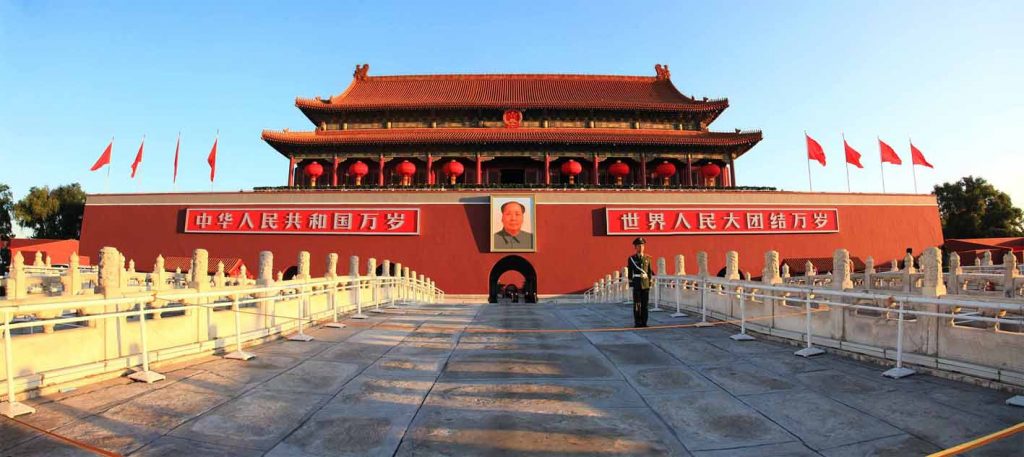
Ultimate Tiananmen Square Itinerary: Efficient Routes & Pro Tips for Visiting Beijing’s Iconic Landmark
Tiananmen Square is one of Beijing’s must-visit sites, steeped in history and surrounded by major cultural attractions like the Forbidden City and the National Museum of China. If you’re planning to visit, this guide will help you navigate the area efficiently, avoid unnecessary detours, and make the most of your experience.
🚩 Key Attractions & Reservation Tips
- Tiananmen Square: Reservation required 9 days in advance by 12:00 p.m.
- Tiananmen Gate Tower: Reservation required 7 days in advance by 5:00 p.m.
- Mausoleum of Mao Zedong: Reservation required 6 days in advance by 12:30 p.m.
- Great Hall of the People: Reservation required 3 days in advance by 5:00 p.m.
- National Museum of China: Reservation required 7 days in advance by 5:00 p.m.
- Forbidden City: Reservation required 7 days in advance by 8:00 p.m.
🚇 Getting There
- By Subway: Tiananmen East Station (Line 1): Exit B or D for the square and nearby attractions
- By Taxi: Drop off at Zhengyi Road No. 5, and walk approximately 7-8 minutes to reach Security Checkpoint No. 3
🗺️ Three Efficient Routes
- For Visitors with All Reservations: Watch flag-raising → Mao Zedong Memorial Hall → Great Hall of the People → Tiananmen Gate Tower → Forbidden City
- Without Flag-Raising: National Museum → Tiananmen Square → Mao Zedong Memorial Hall → Great Hall → Flag-lowering ceremony
- If You Missed All Reservations: Tiananmen Square → Zhongshan Park → Afternoon tea at Laijinyuxuan → Flag-lowering ceremony (arrive 2-3 hours early)
💡 Pro Travel Tips
- Best Photography Spot: Near the Mexican Embassy, just west of the exit
- Best Entrance: Enter from Qianmen – least crowded, saves 5,000 steps
- Hidden Gem: Night ride on Chang’an Avenue – tandem bikes available at Nan Chi Zi Street
🛑 Things to Avoid
- Don’t Cross Jingshui Bridge unless you have a Forbidden City reservation
- Avoid Large Bags: Security checks are slow and strict
- No Selfie Sticks in National Museum, Mao Zedong Memorial Hall, or Great Hall
- No Food or Water in certain areas like Mao Zedong Memorial Hall
📱 How to Book Your Visit
Use the mini program “Tiananmen Square Reservation” on WeChat to book tickets. Reservations open 9 days in advance and are divided into four time slots: flag-raising, morning, afternoon, and flag-lowering. You can book for up to 4 adults and 3 children per order.
🏮 No. 2 Forbidden City (The Imperial Palace)
(gù gōng 故宫)

The Forbidden City (also known as Gugong) is located at the heart of Beijing, just north of Tiananmen Square. This vast imperial palace served as the home of 24 emperors during the Ming and Qing dynasties. Construction began during the reign of Emperor Chengzu in the Ming Dynasty (1368-1644) and took 14 years to complete.
Ancient Chinese astronomers believed that the Purple Star (Polaris) was the center of heaven, where the Heavenly Emperor resided in the Purple Palace. On Earth, the emperor’s palace was thus named the Purple Forbidden City, now commonly known as the Forbidden City. It was forbidden to enter the palace without the emperor’s special permission, which is how it earned its name.
The Ultimate Forbidden City (Palace Museum) Guide: Reservations, Routes, and Tips
🕕 Reservation Instructions
- How to Book: Use the WeChat public account “Palace Museum” to make your reservation. Reservations open one week in advance.
- Important: The Forbidden City does not sell same-day tickets.
- Opening Hours: 8:30 a.m. to 4:30 p.m. (Closed on Mondays)
- Ticket Prices: Adults: ¥40 | Students/Seniors: ¥20 | Minors: Free
🚇 How to Get There
- By Taxi: Drop off at Donghuamen (East Gate), then walk to Meridian Gate (Wumen)
- By Subway: Take Line 1 to Tiananmen West Station (Exit B) and walk through Zhongshan Park (tickets required, ¥3)
🗺️ Best Route for Exploring
Main Route: Meridian Gate → Wenhua Hall → Clock Exhibition Hall → Treasure Gallery → Cining Palace → Hall of Supreme Harmony → Qianqing Palace → Shenwu Gate
🚪 Entrance and Exit Information
- Entrance: The ONLY entrance is through the Meridian Gate (Wumen). Many visitors mistakenly arrive at the wrong gate!
- Exits: Choose based on your next destination
- Donghuamen – ideal for heading to Temple of Heaven
- Shenwu Gate – best for visiting Jingshan Park
- Note: No taxis available directly outside exits
⚠️ Important Tips
- Luggage: Storage available near Meridian Gate, transported to your chosen exit
- No Food or Water: Not allowed in Treasure Gallery, Clock Exhibition Hall, and certain areas
- Audio Guides: Essential for understanding history – ¥20 rental or free WeChat guide
- Photography: Tripods and large selfie sticks (over 1.3 meters) are prohibited
🚶♂️ Faster Entry Routes (Avoid Long Queues)
- Route 1: Xihuamen → Meridian Gate – Walk along city wall for 5 minutes. Subway: Line 1 to Tiananmen West (Exit B)
- Route 2: Donghuamen → Meridian Gate – 5-minute walk along city wall. Subway: Line 1 to Tiananmen East (Exit B)
- Route 3: Zhongshan Park → Meridian Gate – Enter west gate, exit east gate directly to Meridian Gate
- Route 4: Labor People’s Cultural Palace → Meridian Gate – Enter east gate, exit west gate to Meridian Gate
💡 Pro Tips for Booking & Visiting
- Book Afternoon Tickets: Opt for 1:00 p.m. entry when morning crowds have cleared
- Avoid Busy Security: Enter from Donghuamen or Labor Palace for faster access
- Photography Tips: Visit central axis after 3:30 p.m. for fewer crowds and perfect lighting
🏗️ No. 3 The Great Wall
(cháng chéng 长城)
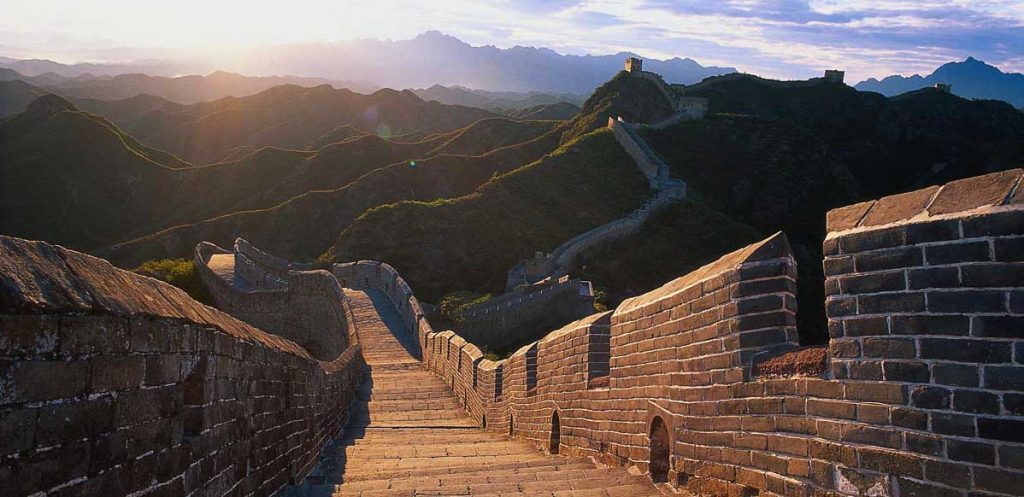
The Great Wall of China, especially the sections near Beijing, is one of the most famous historical sites in the world. Beijing, as China’s political center, has always been a strategic location for Great Wall construction. Many dynasties built and reinforced the Great Wall here. The most well-preserved Beijing Great Wall sections were constructed during the Ming Dynasty (1368-1644).
These walls span over 342 miles (550 kilometers) and feature around 827 city wall platforms, 71 passes, and countless watchtowers, making them essential Beijing tourist attractions.
🏔️ Popular Great Wall Sections Near Beijing
- Badaling (八达岭 bā dá lǐng) – Most popular and accessible section with panoramic views
- Mutianyu (慕田峪 mù tián yù) – Mix of restored and original segments, ideal for hiking
- Jinshanling (金山岭 jīn shān lǐng) – Wild terrain with fewer crowds, perfect for adventurous visitors
- Jiankou (箭扣 jiàn kòu) – Steep climbs and dramatic scenery for experienced hikers
- Huanghuacheng (黄花城 huánɡ huā chénɡ) – Unique section where wall meets lake
Beijing Badaling Great Wall Ultimate Guide: Stress-Free Routes and Transportation
🏞️ Best Routes to Conquer Badaling Great Wall
- Cable Car to North 7th Tower (Most Popular) – Ideal for families with children or elderly members
- Funicular to South 4th Tower (Least Crowded) – Peaceful experience with fewer tour groups
- Cable Car + Funicular – Best of both worlds, covering complete stretch without retracing steps
- Hike North 1st to North 8th Tower – Most comprehensive route but requires retracing
💰 Badaling Great Wall Ticket Prices & Hours
- Cable Car/Funicular: ¥100 one way, ¥140 round trip
- Children under 1.2 meters: Free
- Peak Season (April-October): 6:30 a.m. – 5:30 p.m.
- Off-Season (November-March): 7:30 a.m. – 5:00 p.m.
- Night Tours: May-October, 6:30 p.m. – 10:00 p.m.
🚗 Transportation to Badaling Great Wall
- High-Speed Train + S2 Line (Recommended) – Take train to Changping (昌平), transfer to S2 Line to Badaling Station (八达岭站). 10-minute walk to Great Wall.
- Public Bus – Bus 919 or 877 from Deshengmen (德胜门). Journey takes 2.5 hours, can be crowded during holidays.
- Self-Drive – Scenic highway route but expect traffic during peak times
Jinshanling Great Wall: The Ultimate Hidden Gem Near Beijing
🌅 Why Visit Jinshanling Great Wall
- Less Crowded – Far fewer tourists than Badaling or Mutianyu Great Wall sections
- Preserved Original Features – Retains historic architecture without modern renovations
- Photography Paradise – Best opportunities for sunrise, sunset, and panoramic Great Wall views
- Location: Chengde, Hebei Province (承德, 河北省) – 2 hours from Beijing
📸 Top Photography Spots at Jinshanling
- Xiao Jinshan Tower (小金山楼) – Highest point with unbeatable sunrise/sunset views
- General Tower (将军楼) – Sweeping views of Great Wall extending to horizon
- Five-Eye Towers (五眼楼) – Unique architecture showcasing restored vs. original sections
🌸 No. 4 The Summer Palace
(Yí Hé Yuán 颐和园)
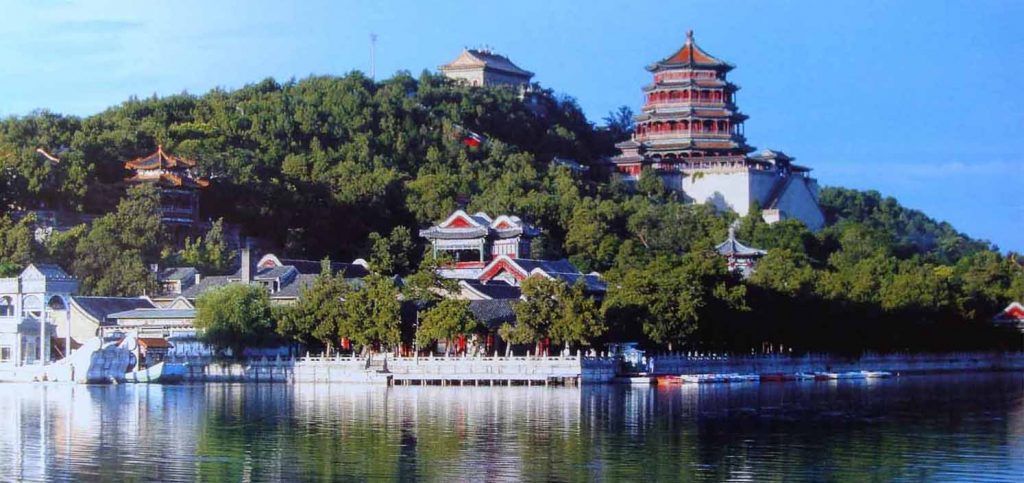
The Summer Palace, located in northwest Beijing, is the largest and most well-preserved imperial garden in China. This Beijing tourist attraction covers an area of 290 acres (around 70,000 square meters) and boasts over 3,000 ancient structures, including pavilions, mansions, temples, bridges, and the vast Kunming Lake (昆明湖 kūn míng hú).
This historic Beijing sightseeing destination served as a summer retreat for emperors during the Qing Dynasty. Despite facing destruction in 1860 and 1900, the Qing government reconstructed it in 1912, preserving its grandeur for today’s visitors.
The Ultimate Summer Palace (Yiheyuan) Guide: Best Routes and Tips
🚌 Transportation & Summer Palace Tickets
By Subway:
- Beigongmen (北宫门 North Palace Gate): Line 4, Exit D
- Donggongmen (东宫门 East Palace Gate): Line 4, Xiyuan Station (西苑), Exit B2
- Ximen (西门 West Gate): Xijiao Line, Yiheyuan Station (颐和园站)
- Nanruyi Gate (南如意门): Take boat from Beijing Zoo (北京动物园)
Summer Palace Ticket Prices:
- General Admission: ¥30
- Combo Ticket: ¥60 (includes Treasure Hall, Tower of Buddhist Incense, Suzhou Street, Opera House)
- Pro Tip: Buy basic ticket first, purchase additional attraction tickets based on interest
🗺️ Recommended Summer Palace Routes
Entrance: Nanruyi Gate → Boat across Kunming Lake → Leshoutang (乐寿堂) → Renshoudian (仁寿殿) → Exit via Donggongmen
Boat to Marble Boat (石舫) → Hall of Dispelling Clouds (排云殿) → Long Corridor (长廊) → Leshoutang → Renshoudian
Complete boat ride → Tower of Buddhist Incense (佛香阁) → Suzhou Street (苏州街) → All major palaces
Xinjian Gongmen → Renshoudian → Leshoutang → Paiyunmen → Walk to Marble Boat → Tower of Buddhist Incense
🏰 Must-See Summer Palace Attractions
- Kunming Lake (昆明湖) – Largest lake perfect for boat rides with Longevity Hill views
- Tower of Buddhist Incense (佛香阁) – Prominent structure offering panoramic Summer Palace views
- Long Corridor (长廊) – World’s longest outdoor gallery (728 meters) with thousands of paintings
- Marble Boat (石舫) – Stone boat symbolizing Qing Dynasty stability
- Seventeen-Arch Bridge (十七孔桥) – Stunning bridge with 17 arches and carved lions
💡 Summer Palace Pro Tips
- Best Time: Morning or late afternoon for fewer crowds and better lighting
- Skip Combo Ticket: Unless planning to visit Tower of Buddhist Incense or Suzhou Street
- Avoid Crowds: Enter via Xinjian Gongmen or Nanruyi Gate instead of busy main entrances
- Boat Options: Dragon Boats ¥30 one way, Paddle Boats ¥60/hour
⛩️ No. 5 Temple of Heaven
(tiān tán 天坛)
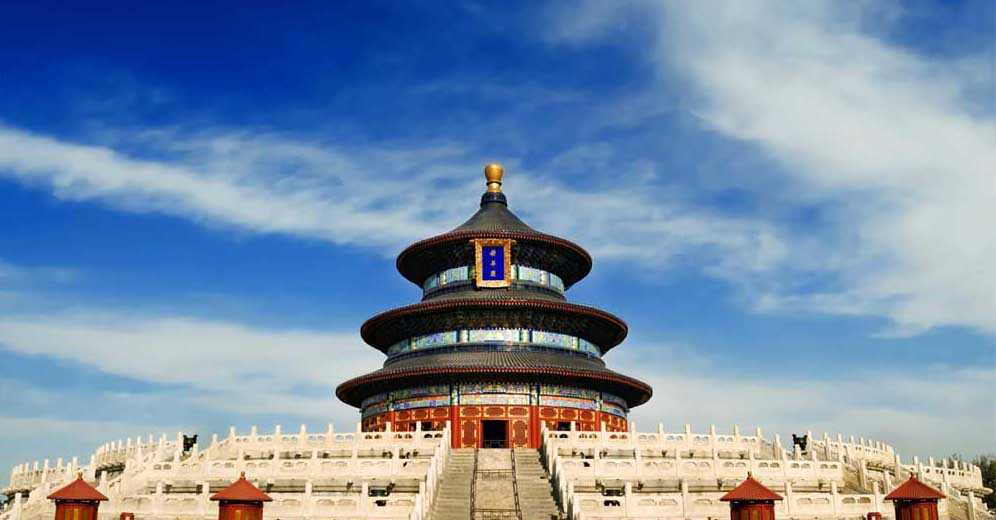
The Temple of Heaven, located in southern Beijing, is a remarkable Beijing tourist attraction where Ming and Qing emperors performed sacred rituals to honor the heavens. This grand complex is the largest among Beijing’s royal altars and is dedicated to Heaven, Earth, the Sun, the Moon, and other cosmic entities.
One unique aspect of this Beijing sightseeing destination is its ancient trees, especially Chinese cypress, juniper, and scholar trees, some over 600 years old. Early morning visitors experience Beijing’s cultural side, watching locals practice traditional tai chi (太极 tài jí) and kung fu (功夫 gōng fū).
Temple of Heaven (Tiantan) Ultimate Guide: Best Routes for a Relaxing Visit
🚇 Transportation & Temple of Heaven Tickets
By Subway:
- East Gate (东门): Line 5, Tiantan Dongmen Station (天坛东门), Exit A2
- West Gate (西门): Line 8, Tianqiao Station (天桥), Exit C
- South Gate (南门): Bus Route 202, stop at Tiantan Nanmen (天坛南门)
- North Gate (北门): Line 7, Guangqumen Station (广渠门)
Temple of Heaven Ticket Prices:
- General Admission: Peak Season ¥15, Off-Season ¥10
- Combo Ticket: ¥34 (includes Hall of Prayer, Circular Mound Altar, Echo Wall)
- Opening Hours: Park 6:00 a.m. – 10:00 p.m., Attractions 8:00 a.m. – 6:00 p.m.
- Closed: Mondays for main attractions (except public holidays)
🗺️ Best Temple of Heaven Routes
South Gate → Circular Mound Altar (圜丘坛) → Echo Wall (回音壁) → Nine Dragon Cypress (九龙柏) → Danbi Bridge (丹陛桥) → Hall of Prayer (祈年殿) → North Gate
Same route with extended stops at Nine Dragon Cypress and Danbi Bridge for photos and reflection
West Gate → Shuanghuan Wanshou Pavilion (双环万寿亭) → Hall of Abstinence (斋宫) → Complete main route → Seven Star Stones (七星石) → East Gate
🌟 Must-See Temple of Heaven Attractions
- Hall of Prayer for Good Harvests (祈年殿) – Iconic circular building where emperors prayed for bountiful crops
- Circular Mound Altar (圜丘坛) – Raised platform for heaven sacrifices, designed with multiples of 9
- Echo Wall (回音壁) – Wall around Imperial Vault famous for acoustic properties
- Nine Dragon Cypress (九龙柏) – 500-year-old tree with dragon-like bark patterns
- Danbi Bridge (丹陛桥) – Elevated path symbolizing Earth-Heaven connection
🌅 Temple of Heaven Cultural Experience
- Early Morning Visit: Watch locals practice tai chi and traditional Chinese exercises
- Best Photography: Hall of Prayer against blue sky or during sunset
- Combo Ticket Recommended: Essential for entering main attractions like Hall of Prayer
- Night Illumination: Special Friday-Saturday night shows (7:55-9:00 p.m.)
🏘️ No. 6 Hutong
(hútòng 胡同)
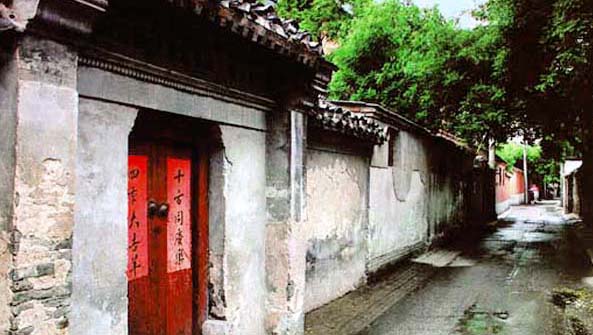
In the historic Beijing hutong areas, visitors can explore narrow, twisting streets that showcase the “real life” of Beijing. These ancient alleyways, known as hutongs, were originally established during the Yuan Dynasty (1271–1368) and are unique Beijing tourist attractions. The word hutong is derived from a Mongolian term meaning “water well,” and these lanes have become symbolic of Beijing’s rich cultural heritage.
As you walk through these traditional Beijing neighborhoods, you’ll notice compact homes connected by passageways that open into shared courtyards. These hutongs not only offer a glimpse into Beijing’s past but also remain vital parts of the city, with some still serving as residential areas where locals maintain traditional Beijing lifestyle.
Beijing Hutong Exploration: Hidden Gems and Tranquil Routes
🛤️ Route 1: Quiet Hutongs Near Drum Tower
Ideal for: Solo afternoon walk, peaceful exploration, photography
- Shoubi Hutong (寿比胡同) – Peaceful alley with vibrant flower walls, perfect for photos
- Ju’er Hutong (菊儿胡同) – Quiet street with traditional courtyards, serene atmosphere
- Liulisiyu Hutong (柳荫街) – Tranquil spot behind Drum Tower (鼓楼 gǔ lóu), fewer tourists
- Beiluoguxiang (北锣鼓巷) – Quieter alternative to famous Nanluoguxiang, authentic cafes
- Zhuzhong Hutong (竹竿胡同) – Tree-lined streets, peaceful ending point
🏛️ Route 2: East City Historical Hutongs
Focus: Architecture, royal heritage, traditional crafts
- Dongsi 3rd Alley (东四三条) – Prince Chun Mansion (醇王府) with grand Guangliang Gate
- Dongsi 4th Alley (东四四条) – Hutong Museum with beautiful Chuihua Gate entrance
- Dongsi 6th Alley (东四六条) – Yuan Yi Station, gardening-themed café
- Chongli Residence (崇礼住宅) – Sprawling private courtyard showcasing elite lifestyle
🏮 Route 3: Cultural Hutongs Around Lama Temple
Perfect for: Traditional culture, temples, authentic Beijing food
- Yonghegong Street (雍和宫大街) – Start at Lama Temple (雍和宫), walk down Wudaoying Hutong (五道营胡同)
- Arrow Factory Hutong (箭厂胡同) – Quieter alley with boutique shops, less crowded
- Guozijian Street (国子监街) – Home to Confucius Temple (孔庙) and Imperial College (国子监)
- Fangjia Hutong (方家胡同) – Art spaces mixing traditional and modern culture
- Drum Tower (鼓楼) – Historic landmark on Gulou East Street (鼓楼东大街)
🍜 Authentic Hutong Food Experiences
- Yaoji Chaogan (姚记炒肝) – Famous for liver stew (炒肝), near Drum Tower
- Annei Laoma Shaomai (安内老妈烧卖) – Northern-style dumplings and lamb soup
- The Bake Shop – Cinnamon rolls and Western pastries in Beiluoguxiang
- Fangzhuan Factory No. 69 – Traditional courtyard restaurant with Beijing specialties
📸 Hutong Photography & Cultural Tips
- Best Time: Early morning or late afternoon for golden lighting and fewer crowds
- Respect Privacy: Many hutongs are residential areas – be considerate of locals
- Architecture Focus: Notice doorways, courtyards, and traditional Beijing architectural details
- Sunset Bonus: End at Shichahai (什刹海) near Houhai Lake (后海) for beautiful sunset views
⚱️ No. 7 The Ming Tombs
(míng shí sān líng 明十三陵)

The Ming Tombs (Ming Shisanling) represent an imperial cemetery complex where 13 of the 17 Ming Dynasty emperors (1368-1644) are buried. Located 50 kilometers northwest of downtown Beijing in Changping District (昌平区 chāng píng qū), this area covers approximately 80 square kilometers and is one of the best-preserved groups of ancient tombs in the world.
Construction began in 1409 during the Yongle Emperor’s reign and continued for over 200 years. The tombs are arranged following traditional feng shui principles, surrounded by mountains on three sides with a river flowing nearby, creating harmony according to Chinese geomancy beliefs.
Exploring the Ming Tombs: Is It Worth Visiting? Complete Guide
🏰 Why Visit Beijing Ming Tombs
- Historical Significance – UNESCO World Heritage Site showcasing Ming Dynasty imperial history
- Cultural Value – Remarkable architecture with feng shui principles and harmony with nature
- Unique Experience – Underground palace at Dingling (定陵) offers rare glimpse into burial practices
- Less Crowded – Peaceful alternative to busy Beijing city center attractions
🎫 Ming Tombs Tickets & Key Sections
- Changling (长陵) – Yongle Emperor’s tomb, most magnificent with golden nanmu columns
- Dingling (定陵) – Only tomb with excavated underground palace, 27 meters deep
- Zhaoling (昭陵) – Longqing Emperor’s tomb, quieter with fewer crowds
- Sacred Way (神道) – 7km ceremonial road with stone statues of animals and officials
Opening Hours: 8:30 a.m. to 6:00 p.m. (until 4:30 p.m. off-season)
Tickets: Full combo ¥98-132 | Individual sites ¥30-60
🚗 Transportation to Ming Tombs
- Self-Drive – Most convenient for visiting multiple tomb sites, parking ¥10
- Public Bus – Bus 872 from Deshengmen (德胜门), 1.5-hour journey
- Local Transport – Use buses 昌32/55/67 to travel between tomb sites
🚶 4-Hour Ming Tombs Exploration Route
Explore underground palace 27 meters deep. See vaulted chambers where Wanli Emperor was buried.
Visit Yongle Emperor’s tomb with magnificent Hall of Eminent Favor featuring 60 golden nanmu columns.
Peaceful tomb with circular walls, perfect for reflection and photography.
Walk ceremonial pathway with stone statues symbolizing emperor’s journey to heaven.
👨👩👧👦 Ming Tombs Family Tips
- Pack Lunch – Limited food options, bring picnic for scenic areas
- Comfortable Shoes – Involves considerable walking on uneven surfaces
- Educational Value – Great for teaching children about Chinese imperial history
- Best Season – Spring and autumn for pleasant weather and fewer crowds
🏯 No. 8 Lama Temple
(yōnghégōng 雍和宫)
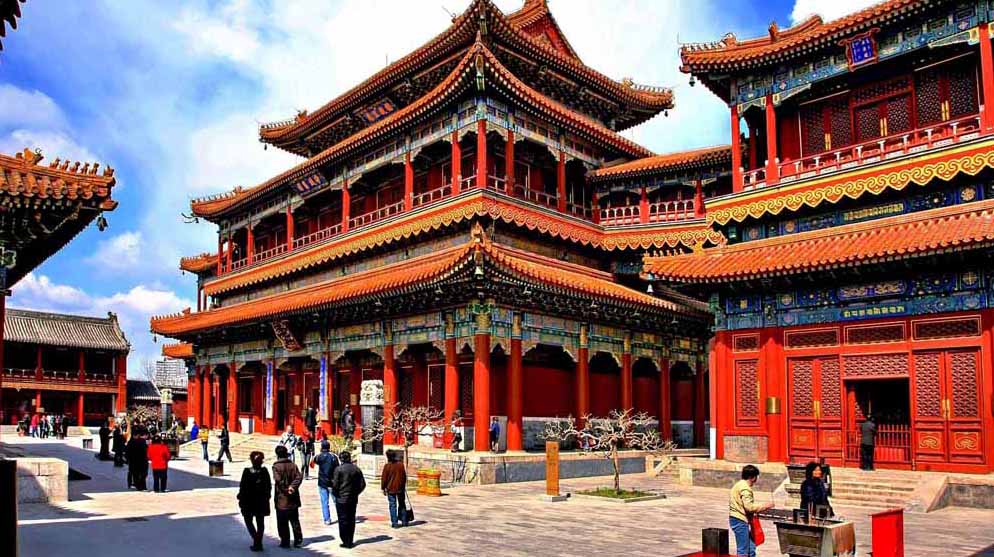
Lama Temple (Yonghe Lamasery) is situated in the northeast corner of downtown Beijing and boasts over 300 years of rich imperial and Buddhist history. This Beijing spiritual attraction is renowned for housing the world’s largest wooden Buddha, making it significant for both historical and religious reasons.
Originally constructed in 1694 during the 33rd year of Emperor Kangxi’s reign in the Qing Dynasty, it was initially the residence of Prince Yong (later Emperor Yongzheng 雍正皇帝) before his ascension to the throne. In 1744, during Emperor Qianlong’s reign (乾隆皇帝), the Qing Dynasty officially transformed the residence into a lamasery.
Yonghe Temple Complete Visiting Guide: Worship, Routes, and Cultural Tips
🚇 Transportation & Lama Temple Tickets
- Best Option: Subway Line 2 or 5 to Yonghegong Station (雍和宫站), Exit F (2-minute walk)
- Driving Not Recommended – Limited parking in busy area
Ticket Information:
- Adults: ¥25 | Seniors/Children: ¥12
- Opening Hours: Summer 9:00 a.m.-5:00 p.m. | Winter 9:00 a.m.-4:30 p.m.
- No Reservation Required – Purchase tickets on-site or via WeChat
🗺️ Lama Temple Route & What to Pray For
- Zhaotai Gate (昭泰门) – Get hand-strung prayer beads for good fortune
- Yonghe Gate Hall (雍和门) – Pray for happiness and smooth life transitions
- Yonghe Hall (雍和殿) – Ideal for financial prayers and prosperity
- Yongyou Hall (永佑殿) – Protection, health, and disaster prevention
- Falun Hall (法轮殿) – Career success and professional advancement
- Wanfu Pavilion (万福阁) – Front for safety, back for love and fertility
🙏 Lama Temple Worship Etiquette
- Number of Sticks: 3 for personal prayers, 6 for two generations, 9 for three generations
- How to Light: Hold incense in left hand, let it extinguish naturally (don’t blow)
- Free Incense: Provided at entrance with ticket purchase
Entering Halls:
- Use Side Doors – Never enter through main center entrance
- Men: Step in with left foot first
- Women: Step in with right foot first
📿 Prayer Items & Blessing Services
- Outside Entrance – Quick purchase without entering temple grounds
- Near Zhaotai Gate – Largest selection of prayer beads and ritual items
- Yongyou Hall – Smaller shop with blessed items next to main shrine
⚠️ Important Temple Rules
- Cash Only – Donations and purchases require cash
- No Photography Inside Halls – Photos allowed of outer buildings only
- Be Specific with Wishes – Clear, detailed prayers are more effective
- Limit to 3 Wishes – Avoid being greedy with requests
🍦 Nearby Attractions & Treats
- Wuyutai Tea Shop – Across street, famous matcha and flower-flavored ice cream (¥10)
- Guozijian Street (国子监街) – Historic street with Confucius Temple (孔庙)
- Traditional Hutongs – Explore authentic Beijing alleyways nearby
- Proximity to Other Sites – Walking distance to several famous Beijing hutongs
🧘♀️ Lama Temple Spiritual Experience
- Active Monastery – Witness genuine Buddhist practices and ceremonies
- 26-meter Wooden Buddha – Marvel at the world’s largest wooden Buddha statue
- Cultural Bridge – Experience Tibetan Buddhist culture in Beijing
- Peaceful Atmosphere – Find tranquility in bustling Beijing city center
🌊 No. 9 Beihai Park
(běihǎi gōngyuán 北海公园)
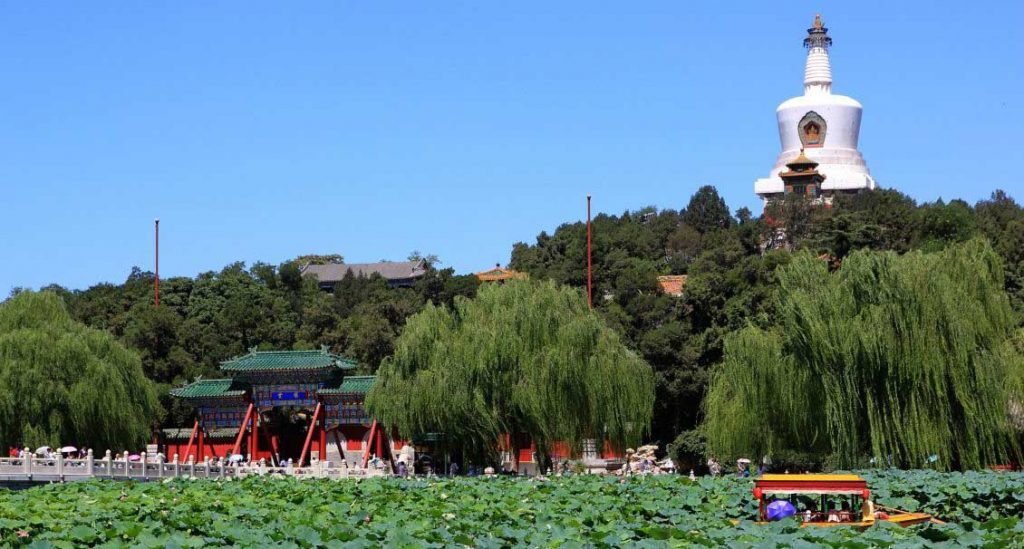
Beihai Park, located northwest of the Forbidden City, is one of China’s most historically significant and well-preserved imperial gardens. This Beijing historical park covers over 70 hectares, with Beihai Lake (北海 běi hǎi) covering 39 hectares, and was once used as a winter palace by emperors throughout Chinese dynasties.
As one of Beijing’s oldest classical gardens, Beihai Park carries nearly a thousand years of history and culture, evolving through the Jin, Yuan, Ming, and Qing dynasties. Like nearby Summer Palace, this Beijing tourist attraction showcases traditional Chinese landscape architecture at its finest.
Beihai Park Complete Visiting Guide: Routes, Attractions, and Tips
🚇 Transportation & Beihai Park Tickets
- Beihai North Station (北海北站): Line 6, Exit B (10-minute walk)
- Multiple Bus Lines to South Gate (南门) or North Gate (北门)
Beihai Park Ticket Prices:
- Standard Ticket: ¥10 (off-season ¥5)
- Combo Ticket: ¥20 (includes Nine Dragon Screen 九龙壁 & Dajue Hall 大觉殿)
- Opening Hours: 6:30 a.m. – 9:00 p.m. (winter closing 5:00 p.m.)
🗺️ Best Routes Through Imperial Gardens
Begin at North Gate → Qionghua Island (琼华岛) → White Pagoda (白塔) → Nine Dragon Screen → Finish at South Gate near Forbidden City
North Gate → Jingxinzhai (静心斋) → Five Dragon Pavilion (五龙亭) → Boat to Yilan Hall (漪澜堂) → White Pagoda
West Heaven Buddhist Temple (西天梵境) → Nine Dragon Screen → Boat across lake → White Pagoda → Qionghua Island exploration
🌟 Must-See Beihai Park Attractions
- White Pagoda (白塔) – Tibetan-style stupa on Qionghua Island, symbol of peace with panoramic views
- Nine Dragon Screen (九龙壁) – Rare double-sided dragon screen, masterpiece of Chinese architecture
- Jingxinzhai (静心斋) – Tranquil study area for princes with rock formations and water features
- Five Dragon Pavilions (五龙亭) – Scenic pavilions perfect for photography and relaxation
- West Heaven Buddhist Temple (西天梵境) – Features ancient gold-threaded nanmu wood
🌙 Beihai Park Special Experiences
- Night Illumination – White Pagoda beautifully lit Friday-Saturday nights
- Tuancheng (Round City) – Houses three treasures including giant wine jar and jade Buddha
- Morning Exercise – Join locals practicing tai chi (太极) around the lake
- Combine with Jingshan – Easy walk from Forbidden City area
🏟️ No. 10 Beijing Olympic Sites
(àolínpǐ gōngyuán 奥林匹克公园)
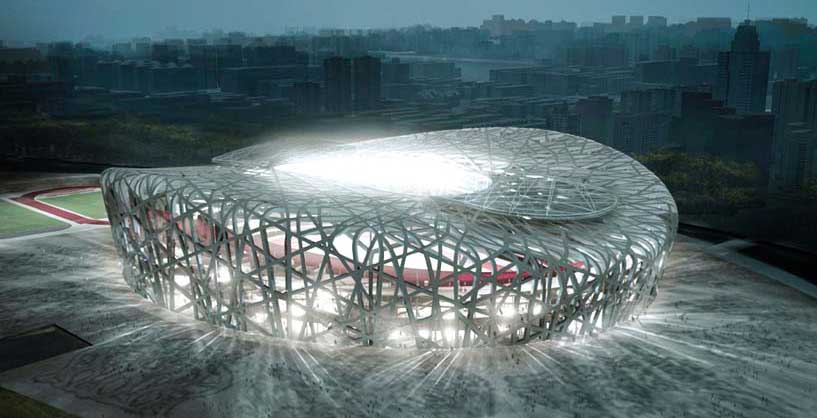
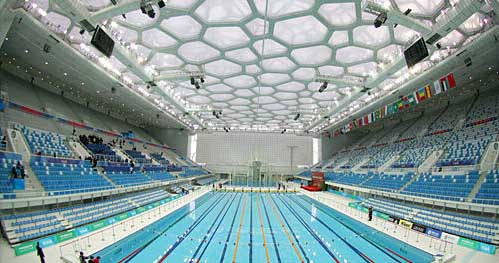
The Beijing Olympic sites represent a perfect blend of modern architecture, natural beauty, and cultural landmarks. The National Stadium (Bird’s Nest) and National Aquatics Center (Water Cube) are architectural masterpieces from the 2008 Summer Olympics, complemented by the expansive Olympic Forest Park (奥林匹克森林公园).
After the 2008 Olympics, these venues transformed into public recreational spaces. The Water Cube now serves as a water park, while the Bird’s Nest continues hosting major events, making them essential Beijing modern attractions alongside traditional sites like the Great Wall and Forbidden City.
Olympic Park Complete Guide: Modern Beijing at its Finest
🚇 Getting to Olympic Park
- Subway Line 8 to Forest Park South Gate Station (森林公园南门) or Olympic Park Station (奥林匹克公园)
- Walking Distance between major attractions: Bird’s Nest, Water Cube, Olympic Tower
- Free Admission to Olympic Park – no tickets required for general access
🏛️ World-Class Museums and Cultural Sites
- China Arts and Crafts Museum – Traditional Chinese arts and intangible cultural heritage
- Party History Museum – China’s development and Communist Party history
- China Science and Technology Museum – Interactive exhibits with 4D cinema (family favorite)
- Archaeological Museum – Limited 500 visitors daily, book well in advance
🌅 Olympic Park Day & Night Experiences
- Olympic Forest Park – Boating, picnics, autumn foliage viewing (ginkgo and maple trees)
- Museum Exploration – Start with Science Museum, then Arts and Crafts Museum
- Architecture Photography – Capture iconic Bird’s Nest and Water Cube designs
Evening Highlights:
- Night Illumination – Bird’s Nest and Water Cube spectacular light shows
- Olympic Tower Views – Panoramic city views especially stunning at sunset
- Photography Bridge – Best vantage point for capturing both venues together
🍂 Seasonal Olympic Forest Park
- Autumn Special – Golden ginkgo forest, red maple groves, and lakeside reed fields
- Family Activities – Paddle boating, duck feeding, playground areas, small train rides
- Picnic Paradise – Large grassy areas perfect for outdoor dining with Beijing skyline views
- Wildlife Viewing – Home to various birds and occasionally deer sightings
❓ Frequently Asked Questions: Beijing Tourist Attractions
Do Beijing attractions require advance booking?
Yes, most major Beijing attractions require advance reservations. The Forbidden City and Tiananmen Square need 7-9 days advance booking, while the Great Wall sections like Badaling can often be booked same-day. Always check official websites or WeChat accounts for current booking requirements.
How many days needed to see Beijing’s top attractions?
For Beijing’s top 10 attractions, plan minimum 5-7 days. Day 1-2: Tiananmen Square, Forbidden City, and Jingshan Park. Day 3: Great Wall (full day). Day 4: Summer Palace and hutongs. Day 5: Temple of Heaven and Lama Temple. This allows proper exploration without rushing.
What’s the best time to visit Beijing tourist sites?
Spring (April-May) and autumn (September-October) offer the best weather for Beijing sightseeing. Summer can be hot and crowded, while winter is cold but offers fewer crowds and beautiful snow-covered scenes at places like the Great Wall and Forbidden City.
Are English tours available at Beijing attractions?
Yes, most major sites offer English audio guides (¥20-40 rental) and some have English-speaking tour guides. The Forbidden City, Great Wall, and Summer Palace have excellent English audio tours. Free WeChat mini-programs also provide English explanations at many Beijing historical sites.
What should I know about Beijing transportation between attractions?
Beijing’s subway system is most efficient for reaching attractions. Buy a Beijing Transportation Card for convenient travel. Taxis use meters but traffic can be heavy. Many attractions are within walking distance of each other in central Beijing – the Forbidden City, Tiananmen Square, and Jingshan Park are all connected.
🗓️ Planning Your Beijing Trip: Essential Tips
📅 Suggested 7-Day Beijing Itinerary
- Day 1: Tiananmen Square + Forbidden City
- Day 2: Great Wall (Badaling or Mutianyu)
- Day 3: Summer Palace + Olympic Park
- Day 4: Temple of Heaven + Hutong exploration
- Day 5: Lama Temple + Beihai Park
- Day 6: Ming Tombs + rest/shopping
- Day 7: Departure or additional exploration
💰 Budget Planning Guide
- Attraction tickets: ¥300-500 total
- Transportation: ¥50-100 per day
- Food: ¥100-300 per day
- Accommodation: ¥200-800 per night
- Souvenirs: ¥200-500
🎒 What to Pack for Beijing
- Comfortable walking shoes (essential!)
- ID/Passport (required at all attractions)
- Translation app or phrasebook
- Cash (some places don’t accept cards)
- Portable charger for photos/navigation
- Weather-appropriate clothing
📱 Essential Apps for Beijing
- WeChat – Bookings, payments, translations
- Baidu Maps – Navigation (works offline)
- Google Translate – Camera translation feature
- 12306 – Train ticket bookings
- Didi – Taxi/ride-sharing app
🏛️ Your Complete Beijing Adventure Awaits
From the imperial grandeur of the Forbidden City to the ancient wonder of the Great Wall, from peaceful temple complexes to vibrant hutong neighborhoods – you now have the complete roadmap to Beijing’s most treasured attractions.
This comprehensive 2025 guide covers practical transportation, advance booking strategies, cultural insights, and local insider tips to ensure your Beijing journey is both seamless and unforgettable.
Start planning your Beijing adventure today with confidence!
📚 Related Beijing Travel Resources