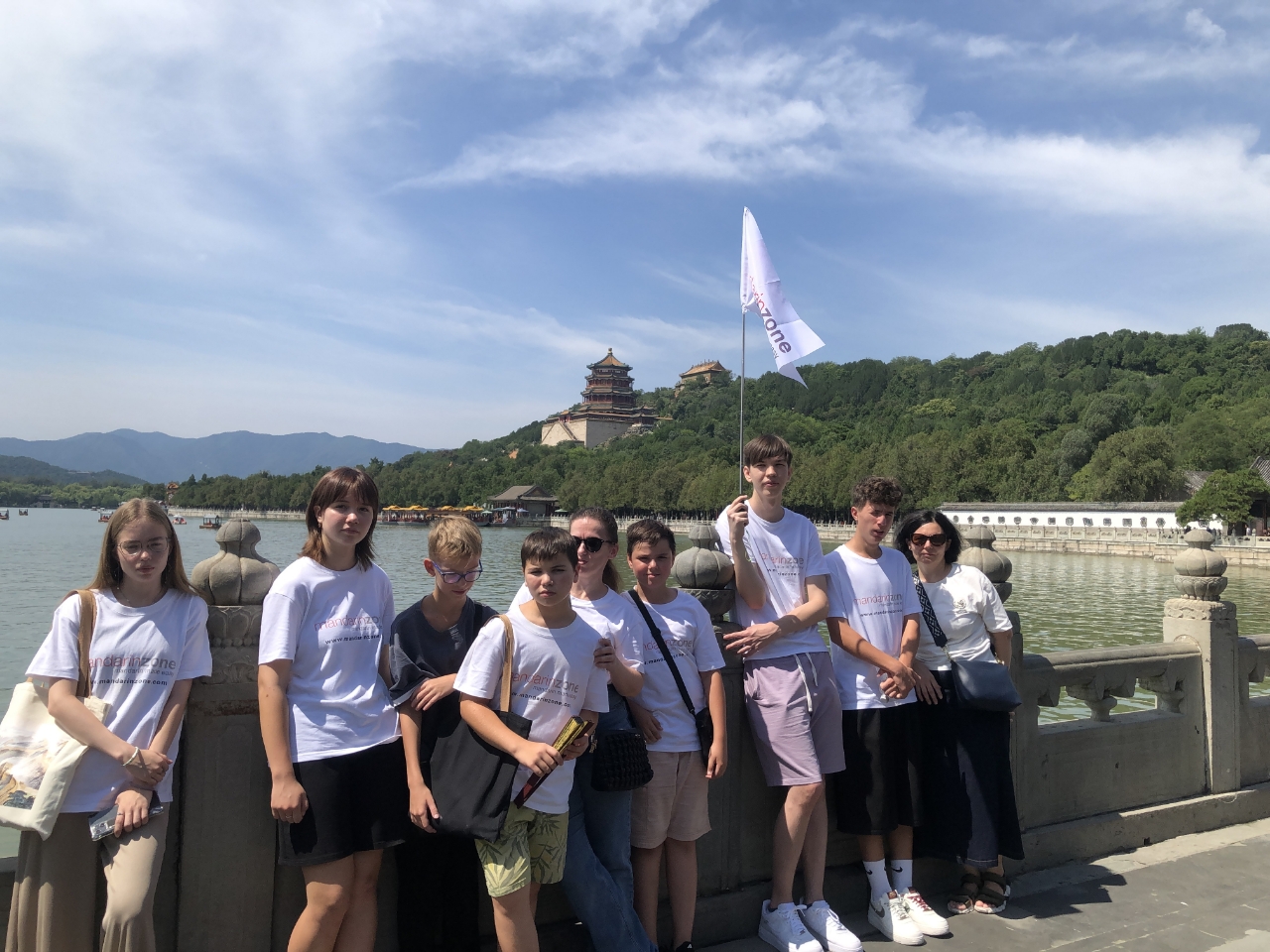
Done with the Forbidden City and the Great Wall? Here are the things to do near Sanlitun that guidebooks skip — six non-touristy spots we actually go to on weekends, as teachers at a Chinese language school right here in the neighborhood.
All are within 30 minutes of Taikoo Li, none needs a booking, and they’re sorted nearest to farthest.
The List at a Glance
| Spot | From Sanlitun | Time Needed | Cost |
|---|---|---|---|
| Liangma River | 15-min by taxi | 1–2 hours | Free |
| Ritan Park | 20 min by taxi | 1–2 hours | Free |
| Wudaoying Hutong | 25 min by taxi | 2–3 hours | Free |
| Imperial College & Lama Temple | 25 min by taxi | Half day | ¥12–30 |
| 798 Art District | 20 min by taxi | 2–3 hours | Free entry |
| Baitasi (White Stupa) | 35 min by taxi | 2–3 hours | ¥20 |
1. Liangma River (亮马河): Beijing’s Riverside Walk
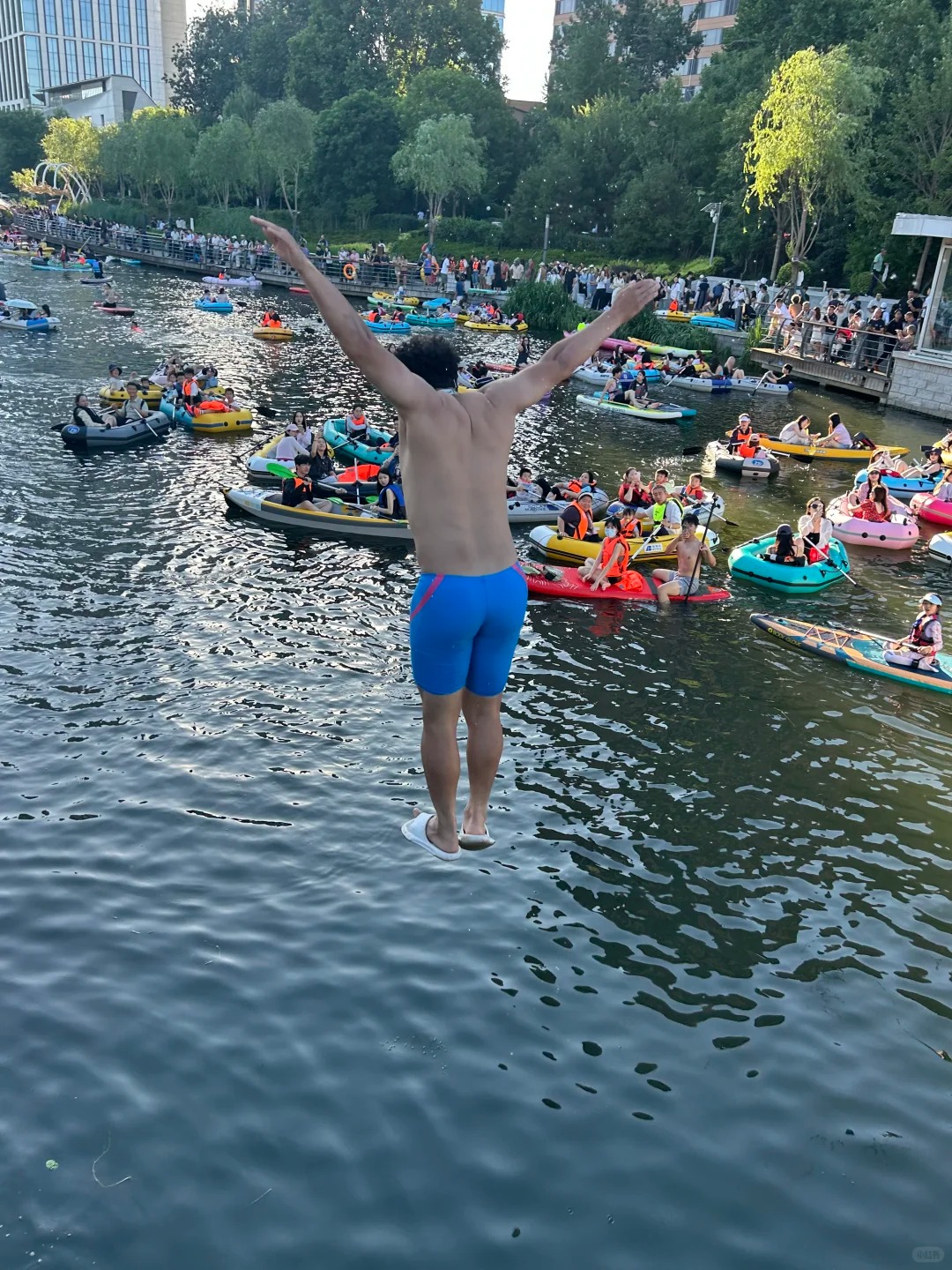
Beijing’s most pleasant surprise is hiding in plain sight in the embassy district: a genuinely beautiful riverside promenade that locals have quietly turned into the city’s favorite evening walk — willow trees, footbridges, old men fishing, and terraces full of people doing absolutely nothing in the best possible way.
Two variations: Hungry? Solana’s lakeside strip runs from Yunnan food to wood-fired pizza. Prefer quiet? The stretch west of Liangmaqiao toward the Kempinski is the same river with half the crowd, lined with embassy gardens.
Time needed: 1–2 hours
Cost: Free (boats extra)
Best time: Golden hour, any day
2. Ritan Park (日坛公园): A Ming Dynasty Altar, Ten Minutes Away
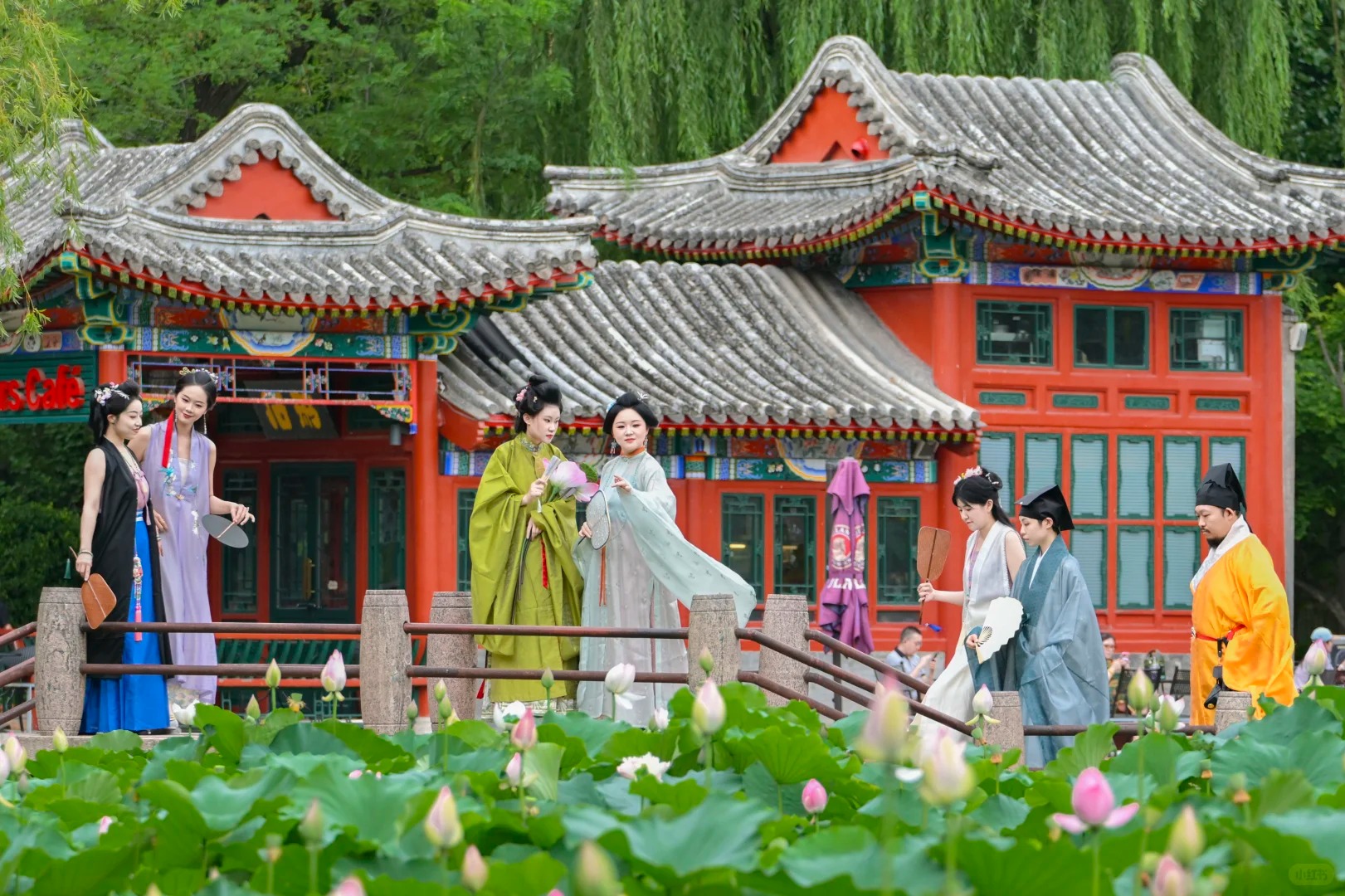
Ten minutes from the noise of Taikoo Li, Ritan feels like a different century. This is where Ming and Qing emperors made offerings to the sun; today the altar is surrounded by tai chi groups, old men walking backwards for their health, and some of the quietest benches in central Beijing.
Lunch, solved: Exit the west gate and you’re straight into the embassy quarter’s restaurant streets. And if sitting still isn’t your thing, there’s a small climbing wall tucked into one corner of the park.
Time needed: 1–2 hours
Cost: Free
Best time: Weekday mornings
3. Wudaoying Hutong (五道营胡同): The Hutong Locals Choose
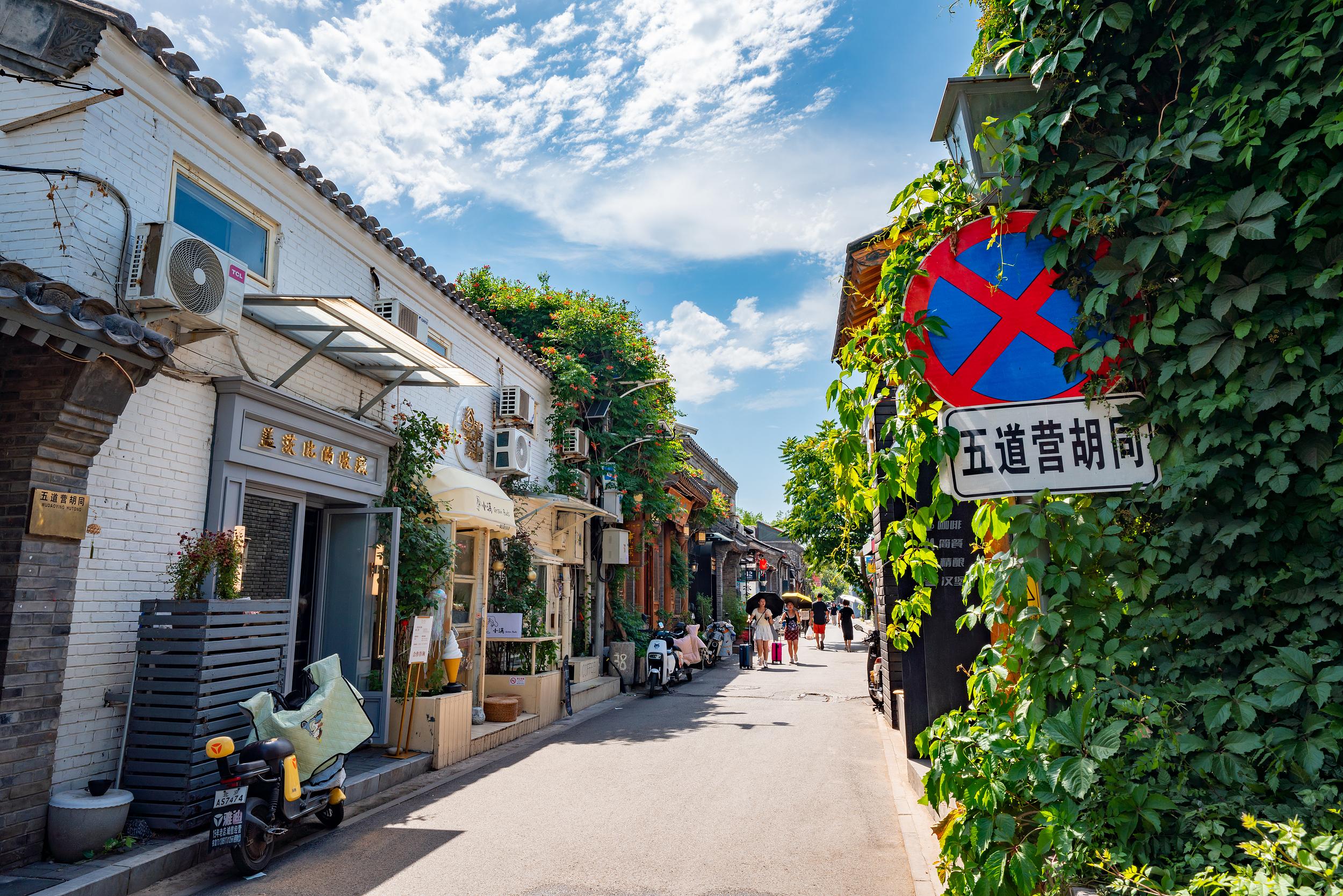
You’ve probably heard of Nanluoguxiang, Beijing’s most famous hutong. Here’s the honest local take: skip it. It’s a shoulder-to-shoulder snack-street conveyor belt, and most Beijingers avoid it entirely. Wudaoying, a short hop away near the Lama Temple, is what Nanluoguxiang was supposed to be.
What’s on the lane: Third-wave coffee roasters, a vegetarian restaurant or two, vintage clothing, ceramics studios, and shops selling things you didn’t know you wanted. Prices are gentler than Sanlitun.
Time needed: 2–3 hours
Cost: Free (coffee money recommended)
Best time: Weekday mid-morning
4. The Imperial College & Lama Temple (国子监 · 雍和宫)
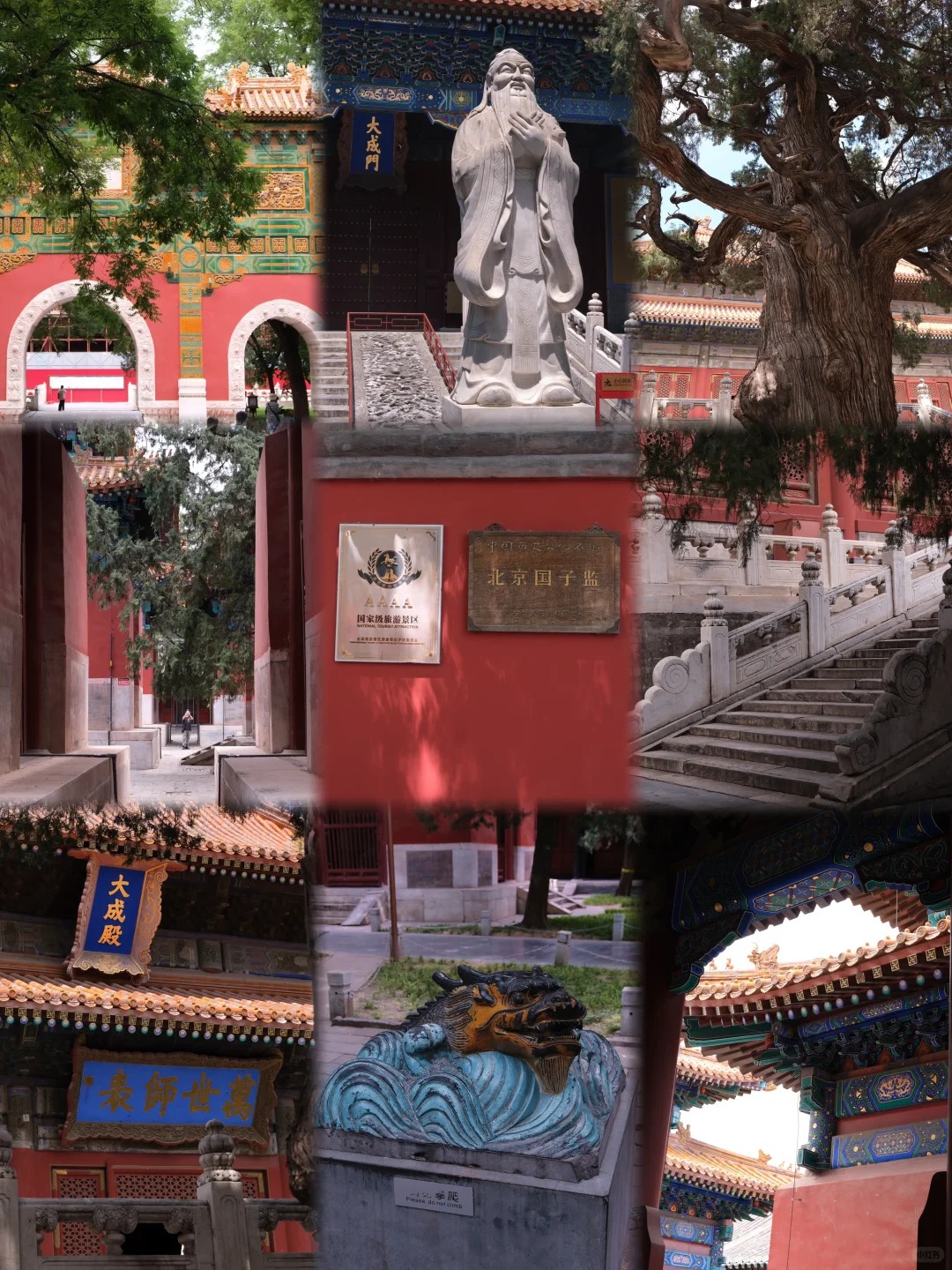
Two minutes’ walk from Wudaoying — do them together for a perfect half day. Guozijian was imperial China’s highest university for 700 years; today it’s a serene complex of ancient cypresses and glazed archways, almost without crowds. Around the corner, the Lama Temple is Beijing’s most atmospheric working temple: incense smoke, murmured prayers, and a 26-meter Buddha carved from a single sandalwood trunk.
Don’t rush the street: Guozijian Street itself is one of the last in Beijing still crossed by its original wooden pailou archways. Walk it slowly.
Time needed: Half day (with Wudaoying)
Cost: Lama Temple ¥25, Guozijian ¥30
Best time: Weekday mornings; avoid the 1st & 15th of lunar months (crowded prayer days)
5. 798 Art District (798艺术区): How to Do It Right
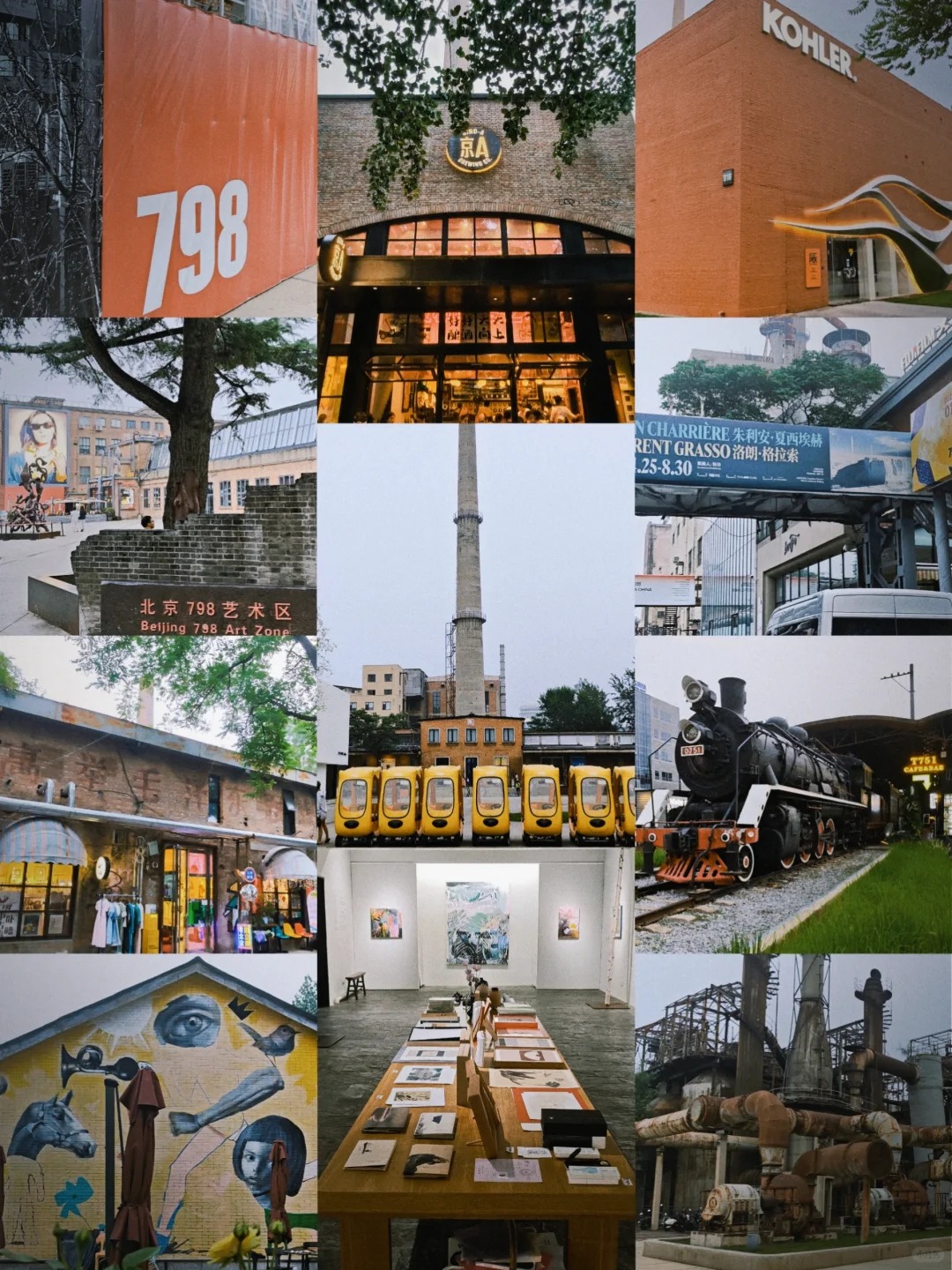
The one name on this list you may already know — and still worth your time if you do it right. 798 is a sprawling art district built inside a 1950s East German-designed electronics plant, and the Bauhaus factory halls are as much the attraction as the art.
One anchor to build around: UCCA (Ullens Center for Contemporary Art), the district’s flagship museum in one of the grandest factory halls, with rotating exhibitions usually among the best showing anywhere in Beijing.
Time needed: 2–3 hours
Cost: Free entry; some exhibitions ticketed
Best time: Weekday mornings; most galleries close Mondays
6. Baitasi (白塔寺): The White Stupa Neighborhood
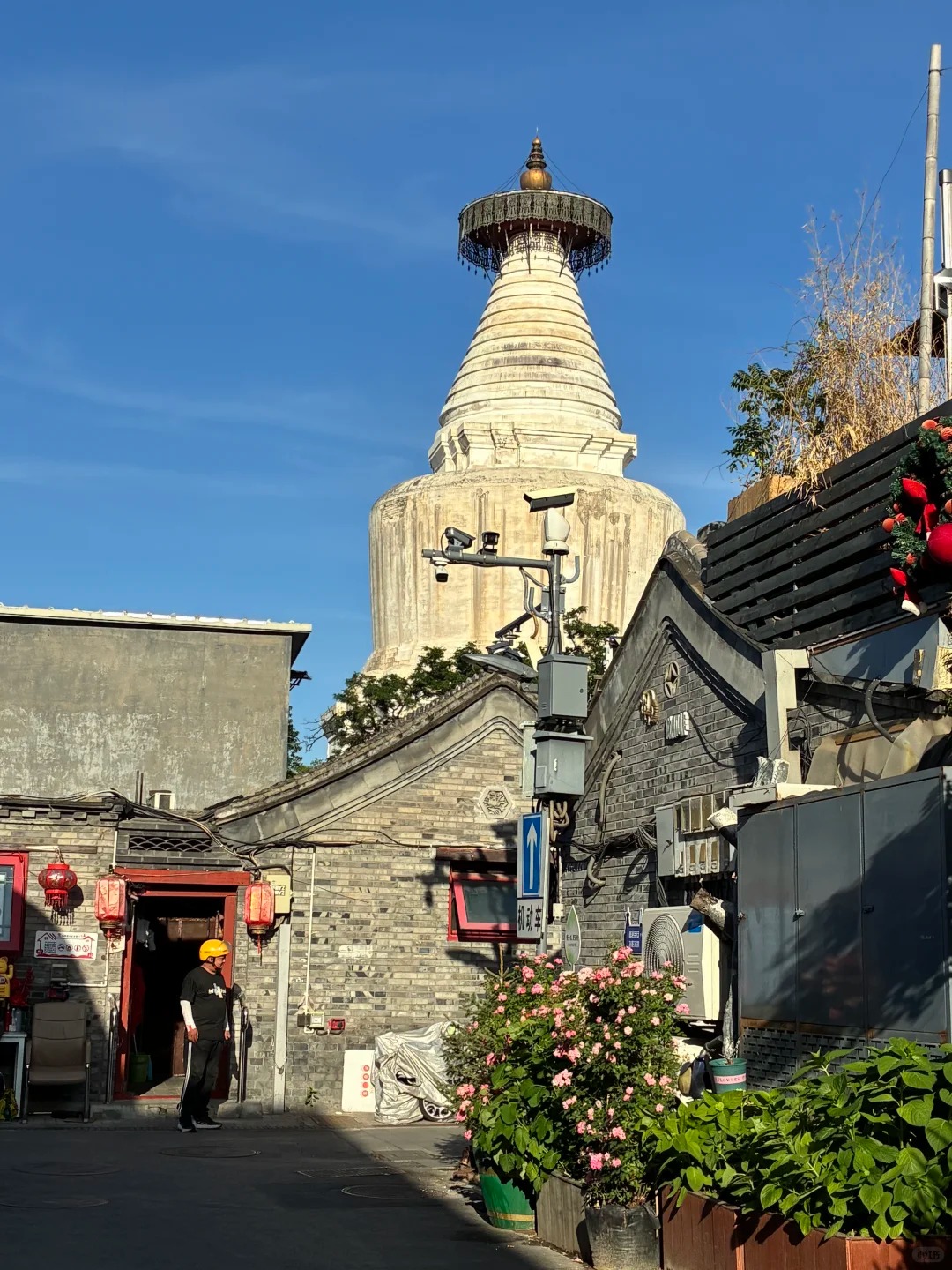
The most local stop on this list, and our favorite. Miaoying Temple’s 750-year-old white stupa — designed by a Nepali architect for Kublai Khan’s capital — towers over a hutong neighborhood that has quietly filled with excellent small cafés, bookshops, and design studios, without ever turning into a tourist attraction.
Bonus for the curious: The former residence of Lu Xun, modern China’s most celebrated writer, is a quiet museum a few minutes away. Yuan-dynasty stupa, hutong lanes, and Lu Xun’s writing desk — 700 years of Beijing in a ten-minute radius.
Time needed: 2–3 hours
Cost: Temple entry ¥20 ; neighborhood free
Best time: Any afternoon; magic at dusk
Three Ready-Made Half-Day Routes
1The Hutong Classic
Taxi to Wudaoying mid-morning → coffee and browsing → two minutes’ walk to the Imperial College and Lama Temple → lunch back on the lane. The single best half day on this list.
2The Zero-Effort Day
Late-morning stroll to Ritan Park → lunch in the embassy quarter → Liangma River an hour before sunset → dinner at Solana. No tickets, no long taxis, no planning.
3The Art Day
798 on a weekday morning (galleries open around 10) → two hours among the factory halls → taxi back via Liangma River for the golden-hour walk.
If You Have More Time: Three Honorable Mentions
Dongyue Temple (东岳庙)
Five minutes from Ritan: a vivid Taoist temple whose halls of statues depict the departments of the afterlife. Celestial bureaucracy in plaster — one of Beijing’s strangest interiors.
Ditan Park (地坛公园)
Just north of the Lama Temple: Ritan’s bigger sibling, and glorious under the ginkgos in late autumn.
Chaoyang Park (朝阳公园)
One of Beijing’s largest city parks, 15 minutes from Mandarin Zone — made for lazy afternoons and rented boats.
For Summer Camp Parents: The 3:15 Rule
If your kids are at our summer camp in Sanlitun — drop-off in the morning, pickup at 4 PM — every place on this list fits inside your free window. The nearest three (Liangma River, Ritan, Wudaoying) barely need planning at all; even Baitasi, the farthest, leaves you a full unhurried afternoon.
Leave any spot by 3:15 PM
and you’ll make the 4 PM pickup comfortably — even with Beijing traffic.
Practical Tips
Getting around
Download Didi (the English version works well) — rides between these spots and Sanlitun typically cost ¥20–40. The metro is cheap and easy, but for a relaxed day out, taxis win.
Paying
Link your international card to Alipay or WeChat Pay before you set out. Cash is technically accepted everywhere but practically used nowhere.
Maps
Google Maps is unreliable inside China. Use Apple Maps (works well here, fully in English) or Amap (高德地图) — every place in this article is findable by its English name on both.
Timing
Weekday mornings are the golden window for all six spots. Nothing here requires advance booking — that’s rather the point.
Frequently Asked Questions
Is Sanlitun a good area to stay in Beijing?
Yes — arguably the best for international visitors. You get the embassy district’s restaurants and cafés, easy taxi access to the whole city, and everything on this list within 30 minutes.
Is Nanluoguxiang worth visiting?
Honestly, no. It’s crowded, commercial, and locals avoid it. Wudaoying Hutong gives you everything Nanluoguxiang promises, without the crush.
Do I need to book any of these in advance?
No — none of the six requires reservations, timed entry, or passport registration. That’s exactly what separates them from Beijing’s big-ticket sights.
Can I do these with kids?
All six are kid-friendly, though they shine as adult time. Liangma River (boats!) and Ritan Park (climbing wall) are the easiest wins with children.
How much English is spoken at these places?
Enough to get by. Cafés in Wudaoying, 798, and Baitasi usually have English menus; ticket counters work fine with a smile and a phone. That said, even ten words of Chinese transforms these outings — suddenly you’re a guest, not a tourist.
What’s the best season for these spots?
They all work year-round. Liangma River peaks May–September (boats and terraces), the hutongs are at their best in autumn, and Ritan under fresh snow is a secret worth waiting for.
This list comes from the teachers at Mandarin Zone, a Chinese language school in Sanlitun — these are the places we actually go on weekends.
If you’re living in Beijing (or just staying a while), learning a little Chinese changes everything: menus stop being mysteries, taxi drivers become tour guides, and hutong grandmas become conversation partners.
Come say hi — or join our newsletter below for more local guides like this one. Consider us your local friends.
Written by the teaching team at Mandarin Zone, Sanlitun, Beijing. Last updated July 2026.