Every summer, over 2.3 million American children attend summer camps. But research shows only a fraction gain skills that create lasting career advantages. As parents, choosing between traditional YMCA summer camps and specialized Mandarin immersion summer camps can shape your child’s future in ways that extend far beyond summer fun.
What Parents Really Want to Know About Summer Camps
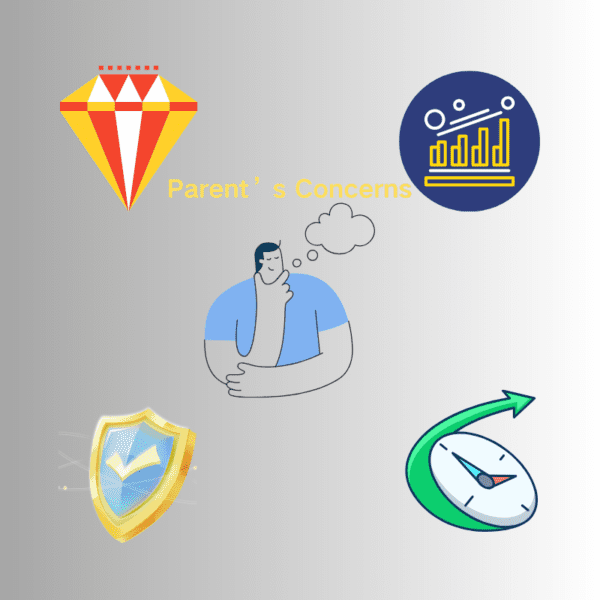
After consulting with over 500 families about summer camp decisions, four universal questions consistently emerge:
Lasting Value
“What will my child gain that lasts beyond August?”
Beyond fun, the right camp builds skills that compound over years—whether that’s confidence, Mandarin language proficiency, or cultural fluency.
Safety & Well-being
“Will my child be safe, supervised, and happy?”
Safety protocols, staff ratios, and emotional support systems matter as much as activities and outcomes in any summer camp program.
Return on Investment
“Is this cost justified compared to other summer camp options?”
Understanding not just tuition but total cost—and measuring value in terms of skills gained versus dollars spent.
Future Impact
“How does this shape college and career prospects?”
The best summer camps create advantages that show up on college applications and eventually in earning potential.
Program Overview: YMCA vs Chinese Immersion Summer Camp Approaches
YMCA Summer Camp
America’s trusted choice for over 100 years
Program Philosophy
YMCA camps emphasize holistic development through their “spirit, mind, and body” approach, focusing on character building and social-emotional learning in a tech-free environment.
What to Expect
- Activity Variety: Swimming, archery, arts & crafts, team sports, outdoor adventures
- Character Focus: Building values like respect, responsibility, honesty, and caring
- Social Development: Teamwork, leadership, making friends in familiar settings
- Flexibility: Day camps and overnight options with weekly enrollment
- Accessibility: Financial assistance available for qualifying families
per week
grade levels
staff ratio
Mandarin Zone Chinese Immersion Summer Camp
Beijing-based Mandarin language immersion experience
Program Philosophy
Mandarin Zone provides structured Mandarin language acquisition combined with authentic cultural immersion, designed to build practical communication skills and global competence for the 21st-century workplace.
What to Expect
- Mandarin Language Learning: Leveled Chinese instruction (beginner to intermediate) with professional teachers
- Cultural Immersion: Traditional workshops (calligraphy, kung fu, cooking), heritage site visits
- Small Groups: Maximum 6 students per instructor for personalized attention
- Program Options: Day camp, full camp with homestay, or family camp packages
- Safety Priority: 1:6 ratio, regular check-ins, experienced staff, comprehensive insurance
per week
years old
staff ratio
YMCA Summer Camps: Strengths and Considerations for 2026
What YMCA Does Best
Established Trust & Reputation
Over a century of youth programming with consistent quality standards across locations. Parents can rely on proven safety protocols and professional staff training.
Affordable & Accessible
At $300-600 per week, YMCA camps are among the most budget-friendly summer camp options. Many locations offer sliding scale fees and scholarship programs based on family income.
Social Skills Foundation
Emphasis on teamwork, conflict resolution, and friendship-building in age-appropriate groups. Ideal environment for developing emotional intelligence and confidence.
Tech-Free Outdoor Experience
Structured time away from screens, devices, and social media. Focus on physical activity, nature connection, and face-to-face interactions.
Honest Limitations to Consider
- Limited Skill Specialization: Broad activity exposure rather than deep skill development in any particular area like language learning
- No Academic Components: Focuses on recreation and character building without structured learning opportunities
- Short-Term Benefits: Most gains are social-emotional rather than measurable academic or career-relevant skills
- Variable Quality: Experience can differ significantly between YMCA locations and individual counselors
“As a single mom, I needed a safe, reliable place for my child during summer break. YMCA was not only affordable but gave me peace of mind knowing my child was well cared for while I worked. He came home happy every day and made friends he still talks to.”
— Jennifer R., mother of 12-year-old, Connecticut
Best Fit Scenarios for YMCA Summer Camps
- First-time campers who need a gentle introduction to being away from home
- Families prioritizing affordability without sacrificing safety and quality
- Children who thrive in structured group activities with variety
- Parents seeking reliable summer childcare during work hours
- Younger children (ages 5-10) building foundational social skills
Mandarin Zone Beijing: The Chinese Immersion Summer Camp Advantage
The Science Behind Mandarin Language Immersion
Mandarin Zone’s approach is built on decades of second language acquisition research. Unlike traditional classroom learning, immersion accelerates fluency by creating authentic communication needs and cultural context.
Four Pillars of Effective Mandarin Language Learning
Leveled Instruction
Students are placed in appropriate groups (beginner/intermediate) through initial assessment, ensuring comfortable challenge levels and optimal progress.
Small Group Teaching
Maximum 6:1 student-teacher ratio means individualized attention, immediate error correction, and ample speaking practice—impossible in larger classroom settings.
Practical Communication
Curriculum centers on real-world scenarios: ordering food, asking directions, shopping, making friends—skills students use immediately in Beijing.
Cultural Integration
Mandarin language and Chinese culture are inseparable. Students learn why Chinese speakers communicate certain ways, building genuine cross-cultural competence.
Measurable Learning Outcomes in Chinese Immersion Camps
Based on assessment data from 200+ students (2022-2025):
New vocabulary words per week (beginners)
CEFR level advancement in 4 weeks (intermediate)
Students achieve basic conversational confidence
Parents report sustained interest in Chinese learning after camp
Beyond Mandarin: Cultural Experience in Beijing Summer Camps
Beijing offers unmatched access to both ancient Chinese heritage and modern innovation. Daily activities combine structured learning with authentic cultural encounters:
Traditional Workshops
- Chinese calligraphy with brush and ink
- Paper-cutting traditional folk art
- Beijing Opera mask painting and performance basics
- Kung fu fundamentals with certified instructors
- Chinese knot-making (decorative cord art)
Hands-On Food Culture
- Dumpling-making workshops (learning 3-4 folding styles)
- Spring roll and wonton preparation
- Introduction to regional Chinese cuisines
- Market tours with ingredient identification
Urban Cultural Exploration
- Hutong walking tours (traditional Beijing neighborhoods)
- 798 Art District (contemporary Chinese art scene)
- Local markets and authentic street food experiences
- Tea ceremony and tea culture introduction
Weekend Heritage Sites
- Great Wall hiking (Mutianyu or Badaling sections)
- Forbidden City guided tours with historical context
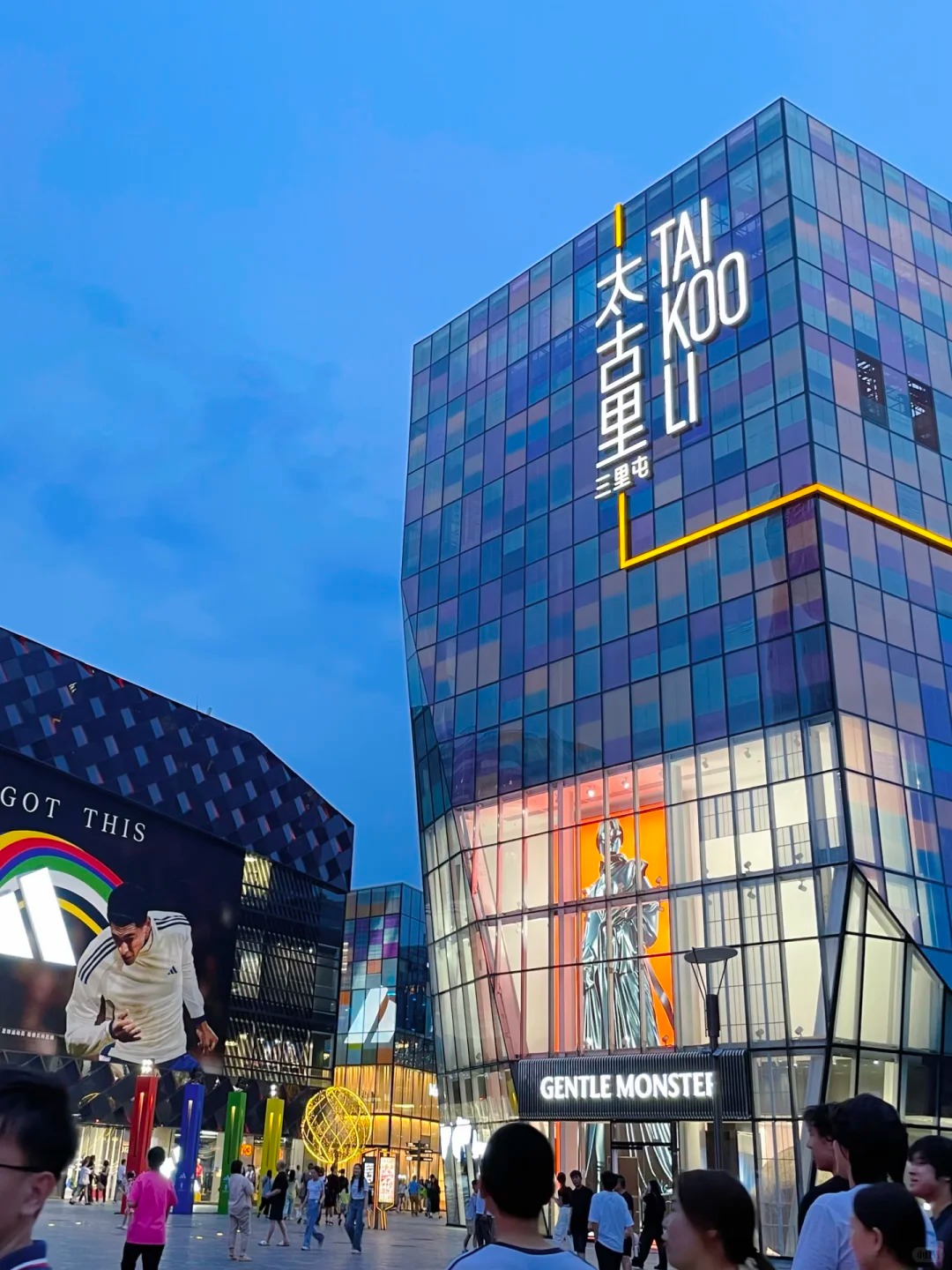
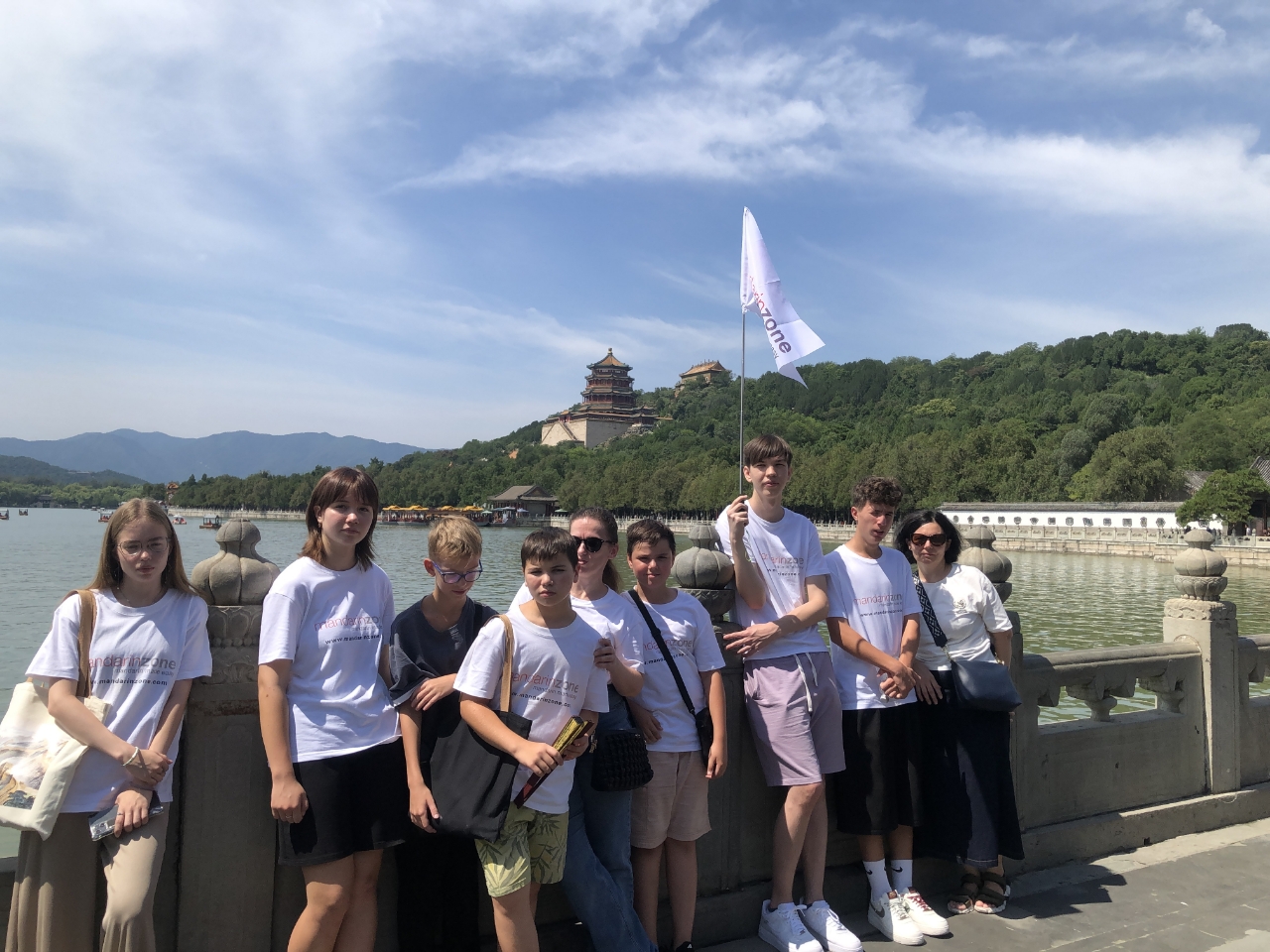
- Summer Palace imperial gardens
- Temple of Heaven park and architecture
Peer Interaction
- Arranged meetups with Chinese students learning English
- Language exchange games and activities
- Collaborative cultural projects
Safety Infrastructure for International Summer Camps
Understanding parent concerns about international travel, Mandarin Zone maintains comprehensive safety protocols:
- Supervision: 1:6 staff-to-student ratio at all times, including outings
- Communication: Daily photo updates and weekly video calls with parents
- Medical: Partnership with international hospital; staff trained in first aid
- Transportation: Private coaches with seat belts and experienced drivers
- Accommodation: Vetted homestay families (background checked) or secure hotel/apartments
- Emergency Protocol: 24/7 emergency contact system and comprehensive insurance
“My husband was firmly against sending our daughter to China, thinking it was too distant and unfamiliar. But after attending an information session and speaking with past parents, his perspective completely changed. Now he’s the most enthusiastic supporter because he sees the tremendous value this experience brings. Our daughter came back not only speaking basic Mandarin but with a maturity and global awareness that amazed us.”
— Lisa T., mother of 13-year-old, California
Side-by-Side: YMCA vs Mandarin Immersion Summer Camp Comparison 2026
This table provides an objective comparison across the factors parents consistently tell us matter most when choosing between YMCA and Chinese immersion summer camps. Use it as a starting point for discussions with your family.
| Factor | YMCA Summer Camp | Mandarin Zone Chinese Immersion Camp |
|---|---|---|
| Age Range | Typically K-8th grade (5-14 years) | 7-17 years old |
| Cost per Week | $300-600 (varies by location and program type) | Day Camp: ~$870 Full Camp: ~$1,480 (includes accommodation) |
| Total 4-Week Cost | $1,200-2,400 | $3,480-5,920 (plus international airfare ~$800-1,500) |
| Core Activities | Swimming, sports, arts & crafts, team games, outdoor adventures | Mandarin language classes, cultural workshops, city tours, heritage site visits |
| Language Learning | None (English only environment) | 20 hours/week structured instruction, 40+ hours immersion practice |
| Measurable Academic Outcome | Social-emotional development, no formal assessments | Pre/post language testing, average 50-70 new vocabulary words/week, certificates |
| Cultural Exposure | Limited (American camp culture) | Deep immersion in Chinese culture, history, daily life |
| Staff Ratio | Typically 1:10 to 1:15 | 1:6 maximum (teachers and supervisors) |
| Program Flexibility | Weekly enrollment, drop-in options, before/after care | Minimum 2-week enrollment, fixed start dates, 3 program types |
| College Application Value | General extracurricular activity | Demonstrates language commitment, cultural competence, independence—distinguishing factors |
| Long-Term Career ROI | Soft skills (teamwork, leadership) | Bilingual skills linked to 5-20% higher earnings, expanded job opportunities in international business |
| Parent Communication | Daily pick-up updates, weekly emails | Daily photo reports, weekly video calls, 24/7 emergency contact |
| Safety & Medical | On-site first aid, local emergency protocols | International hospital partnership, comprehensive insurance, bilingual staff |
| Best For | First-time campers, budget-conscious families, younger children, local community building | Mandarin language learning goals, college-bound students, families investing in global skills, cultural exploration |
The Bilingual Advantage: Why Mandarin Language Skills Matter in Summer Camps
The decision to invest in Mandarin language learning goes beyond summer enrichment. Research from leading universities demonstrates measurable, long-term advantages that compound throughout a person’s education and career.
Evidence-Based Benefits of Learning Mandarin
Earning Potential
Bilingual professionals earn an average of 5-20% more than monolingual peers in equivalent positions.
Career Opportunities
Mandarin language skills increase job opportunities by 4-5% in urban areas, with greater impact in international business.
College Admissions
Students demonstrating proficiency in a second language like Mandarin have stronger applications to competitive universities.
Source: National Association for College Admission Counseling (2024)
Cognitive Benefits
Early language immersion (ages 7-12) achieves better pronunciation accuracy and fluency compared to adult learners.
Source: Phonological acquisition in preschoolers learning a second language via immersion (2004)
Why Mandarin Specifically for Summer Camps?
- Economic Relevance: China is the world’s second-largest economy with $17.9 trillion GDP, deeply integrated into global business
- Career Demand: Over 80% of Fortune 500 companies do business in China or with Chinese partners
- Educational Challenge: Mandarin is classified as a Category IV “super-hard language” by the US State Department—mastery signals dedication and cognitive ability
- Limited Competition: Only about 200,000 US students study Mandarin (vs. 7.4 million studying Spanish), creating competitive advantage
- Cultural Gateway: Understanding China’s 5,000-year history and contemporary society is essential for informed global citizenship
The Compound Effect of Mandarin Immersion
A 4-week Mandarin immersion summer camp won’t create fluency, but it establishes foundational skills and—critically—motivation to continue learning. Students who attend language immersion camps are 3.2 times more likely to continue language study through high school and college, according to research from the American Council on the Teaching of Foreign Languages (ACTFL, 2022).
Making Your Summer Camp Decision: A Framework for 2026
Use these questions to guide your family’s conversation about YMCA vs Mandarin immersion camps:
Step 1: Assess Your Child’s Readiness
Your child may be ready for Mandarin Zone Chinese immersion camp if they:
- Have expressed interest in travel, languages, or other cultures
- Are comfortable with new situations and meeting new people
- Can handle being away from parents for extended periods
- Show curiosity about learning and challenges
- Are at least 7 years old (minimum age for program)
YMCA summer camp might be a better fit if they:
- Have never attended an overnight camp before
- Prefer familiar environments and gradual change
- They are primarily interested in sports and outdoor activities
- Are under 7 years old
- Have specific anxiety about international travel
Step 2: Clarify Your Family’s Summer Camp Goals
Short-Term Goals (Summer 2026)
- Reliable summer childcare
- Physical activity and outdoor time
- Making friends and social development
- Fun and happiness
→ Both programs meet these goals, favor the YMCA for affordability
Long-Term Goals (Next 5-10 Years)
- College application differentiation
- Career-relevant skill building
- Global competence and cultural fluency
- Mandarin language acquisition for future opportunities
→ Mandarin Zone provides measurable progress toward these outcomes
Step 3: Run the Numbers for 2026 Costs
Total Cost Comparison (4 Weeks)
YMCA Local Camp
- Tuition: $1,200-2,400
- Transportation: $0 (local)
- Supplies/extras: ~$100
Total: $1,300-2,500
Mandarin Zone Full Camp
- Tuition: $5,920 (4 weeks)
- Round-trip airfare: $800-1,500
- Visa & insurance: ~$300
- Spending money: $200-400
Total: $7,220-8,120
Investment Perspective for Language Immersion
The price difference is approximately $5,000-6,000. To evaluate this as an investment:
- Private Mandarin tutoring costs $50-100/hour; 60 hours = $3,000-6,000 without immersion benefits
- 4-week college prep course: $2,000-4,000
- Family vacation to China: $8,000-12,000 without structured learning
- The 5-20% bilingual salary premium on a $60,000 starting salary = $3,000-12,000/year
Step 4: Consider the “What If” Scenarios
What if my child doesn’t like it?
YMCA: Can discontinue weekly; minimal financial loss
Mandarin Zone: Requires minimum 2-week commitment; significant financial commitment; but 93% of students report satisfaction (2025 exit surveys)
What if they want to continue Mandarin learning?
YMCA: Would need to find separate Chinese classes and tutors
Mandarin Zone: Provides a continuation pathway, online classes, and future summer program options
What if I’m worried about safety?
Both programs have strong safety records
Mandarin Zone specifically: Offers video call with staff, parent testimonial references, and comprehensive insurance with international coverage
Still Have Questions About Summer Camps?
The best decision comes from having complete information. Mandarin Zone offers free consultation calls where you can ask specific questions about your child’s situation, speak with past parents, and get honest guidance about whether the Chinese immersion program is the right fit.

Frequently Asked Questions About Chinese Immersion and YMCA Summer Camps
How much Mandarin will my child actually learn in 4 weeks at a Chinese immersion camp?
Realistically, students won’t become fluent in 4 weeks. However, data shows beginners typically learn 50-70 functional vocabulary words per week and 15-20 sentence patterns. By week 4, most students can introduce themselves, ask for directions, order food, and engage in simple conversations. More importantly, they build pronunciation habits and cultural understanding that make continued learning significantly easier. Think of it as establishing a strong foundation rather than completing the house.
Is China safe for my child in a summer camp?
China has one of the lowest crime rates globally, and Beijing is considered very safe for foreigners. Mandarin Zone maintains 1:6 supervision ratios, conducts background checks on homestay families, partners with international hospitals, and provides 24/7 emergency contact access. All transportation uses licensed, insured private coaches. Over 200 students have attended since 2020 with zero serious safety incidents. Parents receive daily photo updates and weekly video calls.
My child is shy and has never traveled internationally. Can they handle a Chinese immersion camp?
Many successful participants were initially nervous. The program is specifically designed with gradual acclimation: small group sizes, consistent staff presence, structured daily routines, and careful attention to emotional well-being. That said, this program does require a baseline comfort with new situations. If your child has severe anxiety about being away from home, consider starting with local camps and building up to international experiences. Mandarin Zone offers a free consultation to honestly assess whether your child is ready.
How does a Chinese immersion summer camp compare to taking Mandarin classes at school?
School language classes typically meet 3-5 hours per week over 36 weeks (academic year), totaling 108-180 hours annually. Mandarin Zone provides 20 hours of instruction plus 40+ hours of immersion practice per week—meaning 4 weeks equals 240 hours of engagement, exceeding an entire school year. More importantly, immersion creates authentic communication needs that classroom learning can’t replicate. Students use Mandarin immediately and constantly, accelerating acquisition and motivation.
Can we do a family camp where parents participate in the Chinese immersion?
Yes! Mandarin Zone offers customized Family Camp programs where parents can take their own Mandarin classes while children attend age-appropriate sessions. Families stay together in hotels or apartments, with flexible scheduling for shared cultural activities and weekend excursions. This option is popular with families who want the language learning benefits but aren’t ready for their child to be fully independent.
Ready to Make Your 2026 Summer Camp Decision?
Whether you choose YMCA’s tried-and-true approach or Mandarin Zone’s immersive Mandarin experience, the most important thing is matching the program to your child’s needs and your family’s goals. For YMCA summer camp programs: Visit www.ymca.org to find your local branch and current summer schedules. For Mandarin Zone Chinese immersion camps: We offer three program types to fit different family situations:
- Summer Day Camp: For children 7+ and families staying in Beijing
- Summer Full Camp: For teens 12+ seeking independence, with homestay or shared accommodation
- Family Camp: Customized programs for children 7+ and parents together
Book 3+ months in advance: Save 5%
Special discounts also available for siblings and returning students.
Schedule Free Consultation Now
Speak with program directors, ask specific questions, and get honest guidance about fit.
80 web pages
>